Strategy, trends, and hard-earned lessons from two decades of construction executive search.
★ Featured Insight
AI Won't Replace Your Project Manager
“
Autonomous trucks, drones, and 3D printing are changing the job site. But experienced PMs and supers are more valuable than ever.
Everyone's talking about AI replacing jobs. But the construction firms actually using AI are discovering something surprising — they need more skilled leaders, not fewer. Here's what the next decade really looks like.
AI & ConstructionMarch 2026 · 4 min read
Read Full Article
More Insights
01
Talent Strategy
Why Top Talent Ditches Big Firms for Boutique Recruiters
February 2026 · 4 min
Big firms promise the world. So why are the best construction executives quietly choosing boutique partners instead?
Read More
02
Speed Wins
How 3-Day Shortlists Win Projects (And Why Speed Matters)
February 2026 · 4 min
In construction, delays cost money. The firms winning $400M+ projects fill key roles in days — not months.
Read More
03
Executive Search
The Hidden Edge of Boutique Recruiters in Construction
February 2026 · 4 min
The biggest competitive advantage in infrastructure isn't equipment or capital — it's people.
Read More
04
Infrastructure Boom
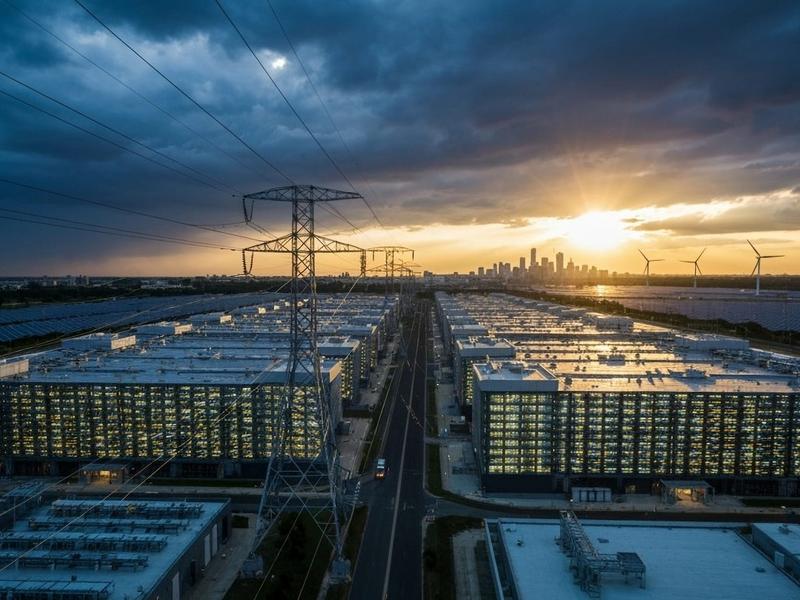
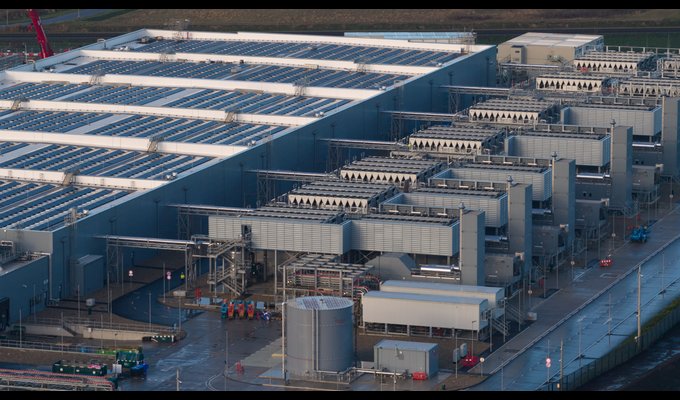
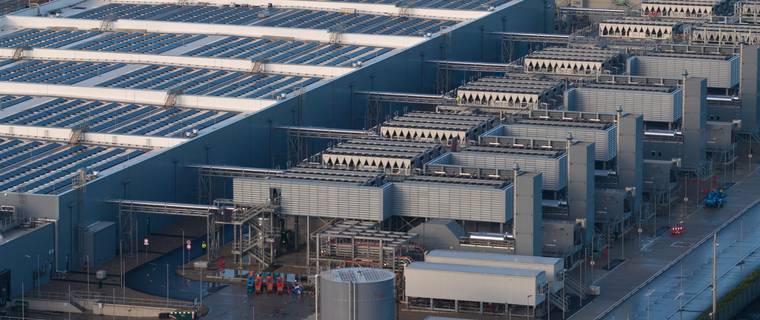
The Data Center Talent Crisis Is Here
March 2026 · 4 min
Demand for data center talent has exploded 400%. The people who can build these projects are getting harder to find every day.
Read More
05
Talent Strategy
Why the Best Candidates Aren't Looking
March 2026 · 4 min
70% of top construction talent is passive. They're not on job boards. Here's how to actually reach them.
Read More
06
Retention
You Found Great Talent. Now Keep Them.
March 2026 · 4 min
One in three construction hires leaves within a year. The fix isn't more money — it's what happens after the offer letter.
Read More
07
AI & Construction
AI Won't Replace Your Project Manager
March 2026 · 4 min
Autonomous trucks, drones, and 3D printing are changing the job site. But experienced PMs and supers are more valuable than ever.
Read More
08
Hiring Strategy
The 3 Offer Killers Costing You Construction Talent in 2026
March 2026 · 5 min
Candidates say yes to the role, then back away at the offer stage. In almost every case, the problem isn't the work.
Read More
← Back to Insights
Why Top Talent Ditches Big Firms for Boutique Recruiters
February 2026 · Talent Strategy · 4 min read
Big firms promise the world — massive databases, global reach, brand recognition. So why are the best project managers, superintendents, and construction executives quietly choosing boutique recruiting partners instead?
Because in construction recruiting, bigger isn't better. Faster, deeper, and more personal is.
The Big Firm Problem
Large staffing agencies operate on volume. They blast job postings, collect hundreds of resumes, and send you a stack to sort through yourself. Their recruiters often cover multiple industries — healthcare on Monday, construction on Tuesday. They don't know the difference between a design-build PM and a CM-at-risk superintendent.
For candidates, the experience is worse. You're a number in a database. Your resume gets keyword-matched by an algorithm, and if you don't fit the filter, you disappear. No conversation. No context.
Why Boutique Wins
Boutique executive search firms like RCD Group operate differently. We've spent 22+ years building relationships in heavy civil, data centers, solar, and infrastructure — not checking boxes on a screen.
Most of our clients hire the first candidate we present. That's not luck — it's what happens when your recruiter actually understands the work.
When a contractor needs a PM for a $400M+ highway project, they don't need 50 resumes. They need the one person who's done it before, wants to do it again, and is ready to move.
The Talent Knows It Too
The best engineering talent has figured this out. They know boutique recruiters have access to exclusive roles that never hit job boards. They know they'll get a real conversation about their career goals, not a form email. And they know that when RCD Group calls, it's because there's a specific opportunity that actually fits.
In an industry where relationships are everything, the firms that treat recruiting like a transaction are losing. The ones building real connections are winning.
Need Elite Talent?
Stop sorting through stacks. Let RCD Group send you the one.
How 3-Day Shortlists Win Projects (And Why Speed Matters)
February 2026 · Speed Wins · 4 min read
Big firms promise speed — boutiques deliver it.
In construction, time is money. Every day a key role sits unfilled, projects stall, schedules slip, and costs climb. Yet most companies still tolerate recruiting timelines measured in weeks or months.
The Cost of Empty Seats
Think about what happens when a $200M data center project doesn't have a Senior PM locked in. Subcontractors wait. Schedules get redrawn. The owner starts asking uncomfortable questions.
RCD Group averages a 3-day turnaround from search kickoff to shortlist. Not three weeks. Three days.
How We Move That Fast
It's not magic. It's 22+ years of building a deep rolodex of passive, elite candidates who aren't on job boards. When a client calls with an urgent need for a construction manager on a utility-scale solar project in South Carolina, we're not starting from scratch.
Large staffing firms can't do this. Their model requires posting jobs, waiting for applicants, screening hundreds of resumes. By the time they deliver candidates, the best talent has already accepted another offer.
Speed Creates a Competitive Edge
The contractors winning the biggest infrastructure jobs in America right now — the $400M+ highway mega-projects, the mission-critical data centers — are the ones who staff up fast. They work with recruiting partners who already have the talent pipeline built.
In construction recruiting, speed isn't about cutting corners. It's about having done the work upfront — the relationships, the industry knowledge, the years of trust.
The Hidden Edge of Boutique Recruiters in Construction
February 2026 · Executive Search · 4 min read
The biggest competitive advantage in infrastructure isn't equipment, capital, or even technology. It's people. And finding the right ones has never been harder.
The Talent War Nobody's Talking About
Construction is booming. The Infrastructure Investment and Jobs Act is pumping billions into highways, bridges, and transit. Data centers are being built at a pace nobody predicted. Solar projects are exploding across the Southeast. But there aren't enough experienced leaders to run these projects.
The engineering talent shortage isn't coming. It's here. And it's creating a crisis that most companies aren't prepared for.
The Real Cost of a Bad Hire
When a critical role goes unfilled — or worse, gets filled by the wrong person — the damage ripples across the entire project. Schedules slip. Subcontractors lose confidence. Owners start asking uncomfortable questions. A bad hire at the executive level doesn't just cost a recruiting fee. It can cost millions in blown deadlines and damaged client relationships.
Industry data shows the cost of a bad executive hire can reach 5x their annual salary when you factor in lost productivity, project delays, and team turnover.
The stakes are too high to rely on job boards and keyword-matching algorithms. The leaders running $200M+ data center builds and utility-scale solar installations aren't scrolling Indeed. They're already employed, performing well, and not actively looking.
Why Passive Candidates Are the Key
The best talent in construction is passive. They're not applying to your job posting because they're busy delivering results on their current project. Reaching them requires trust, industry credibility, and a network built over decades — not a LinkedIn InMail blast.
This is where specialized executive search earns its keep. When you have deep relationships with the top PMs, superintendents, and VPs in heavy civil, data centers, and solar, you can pick up the phone and have a real conversation. That's how the right hire happens.
Investing Smarter, Not More
The firms winning the biggest infrastructure projects in America aren't spending more on recruiting. They're spending smarter — partnering with specialists who know the difference between a design-build PM and a CM-at-risk superintendent, and who can deliver the right candidate without wasting months.
In an industry built on trust, precision, and delivering results on deadline, your recruiting partner should operate the same way.
Ready to Build Your Team?
RCD Group has spent 22+ years placing the leaders who deliver.
Here's something nobody in construction wants to hear: there aren't enough people to build what needs to be built. Not even close.
Data centers are going up at a pace nobody predicted five years ago. AI, cloud computing, streaming — all of it needs physical infrastructure. And the companies building that infrastructure are all fighting for the same small pool of experienced leaders.
The Numbers Are Staggering
Demand for data center construction talent has increased over 400% in the last few years. Meanwhile, the workforce hasn't grown to match. You've got more projects than ever competing for the same PMs, superintendents, and VPs of operations who've actually built these facilities before.
The biggest bottleneck in data center construction isn't permitting or materials. It's people.
And it's not just data centers. The infrastructure boom is hitting every sector — highways, bridges, solar, water treatment. The IIJA money is flowing, and everyone's hiring at the same time. That's a problem when the talent pool hasn't grown in 20 years.
Why Job Boards Don't Work Here
The people you need for a $300M data center build aren't scrolling Indeed. They're running a project right now. They're performing well. Their boss doesn't want them to leave. You're not going to find them with a job posting.
You find them by picking up the phone. By having a relationship that goes back years. By knowing who did what on which project, and who's ready for the next challenge. That takes time — time that most companies don't have when they need someone yesterday.
The Smart Play
The contractors winning the biggest data center projects right now aren't posting jobs and hoping. They're working with recruiters who already know the talent — who've placed people in these exact roles on these exact types of projects.
That's not a pitch. That's just how this works. When demand outstrips supply this badly, the companies with the best networks win. Period.
Building a Data Center Team?
RCD Group has placed leaders on mission-critical data center projects since 2002.
I've been doing this for 22 years and I'll tell you something that hasn't changed: the best people in construction are never on the market. Not publicly, anyway.
About 70% of the top talent out there is what the industry calls "passive." They're not applying to your job posting. They're not on LinkedIn hitting "Easy Apply." They're heads-down running a $200M project and doing a great job at it.
So How Do You Reach Them?
You don't reach them with a job board. You don't reach them with an InMail blast. And you definitely don't reach them with a generic "exciting opportunity" email from a recruiter who doesn't know the difference between heavy civil and light commercial.
You reach them through trust. Through a phone call from someone they know. Someone who's placed people they respect. Someone who actually understands what they do every day.
The best hire you'll ever make is someone who wasn't looking. They just got a call from the right person at the right time.
Why Passive Candidates Are Better Hires
People who are actively job hunting are sometimes doing it for the wrong reasons. Maybe they got passed over. Maybe there's a performance issue. Maybe they just like to jump around. Not always — but it happens.
Passive candidates are different. They're performing well. They're valued. They're not desperate to leave. When they do move, it's because the opportunity is genuinely better — not because they need an escape hatch. That's the kind of person you want running your next project.
The Rolodex Nobody Else Has
This is where 22 years matters. We know who built that bridge in Jacksonville. We know who delivered that solar farm in the Carolinas ahead of schedule. We know who the GCs trust and who they don't. That's not something you build overnight, and it's not something a big staffing firm can replicate with a database.
When we call someone, they pick up. Because they know it's going to be a real conversation about a real opportunity — not a fishing expedition.
Need Someone Who's Not Looking?
That's exactly who we find. It's what we've done for 22 years.
Here's the thing nobody wants to talk about in construction recruiting: hiring someone is only half the battle. Keeping them is the other half. And a lot of companies are losing that second fight.
Industry numbers say about one in three construction hires leaves within the first year. Think about what that costs — not just the recruiting fee, but the project disruption, the team morale hit, and the six months you just lost getting someone up to speed who's already gone.
Why Good People Leave
It's usually not about money. I've seen guys turn down $20K raises because they felt respected where they were. And I've seen guys leave money on the table because the culture was toxic, the travel was killing them, or their boss didn't have their back.
People don't quit companies. They quit situations. Fix the situation and you fix the turnover.
The most common reasons I hear from candidates who want to leave: no path forward, bad leadership above them, promises that weren't kept, and being put on projects they didn't sign up for. None of those are hard to fix if you're paying attention.
Retention Starts Before the Offer Letter
This is something most companies get wrong. Retention doesn't start on day one. It starts during the interview process. If you oversell the role, overpromise on the project pipeline, or gloss over the travel requirements — you're setting yourself up for a departure in six months.
Be honest about what the job actually looks like. The right candidate will appreciate it. The wrong candidate will self-select out. Either way, you win.
What the Best Companies Do Differently
The contractors who keep their people do a few things consistently. They check in — not just at review time, but regularly. They give people a voice in what projects they work on. They promote from within before going outside. And when someone's unhappy, they find out why before it's too late.
In a market where good people have five offers waiting, the companies that treat retention like a strategy — not an afterthought — are the ones building the best teams.
Building a Team That Stays?
We don't just find great talent. We find the right fit.
Everyone's talking about AI replacing jobs. In construction? It's not that simple. The tools are changing fast — but the people running the projects are more valuable than ever.
Self-driving haul trucks are already on job sites. GPS-guided excavators grade to spec without a human touching the blade. Drones do in 20 minutes what a survey crew used to do in two days. Rebar-tying robots are real. 3D-printed concrete bridge components are real. None of this is science fiction anymore.
What's Realistic by 2035
Autonomous equipment is the closest to full adoption — self-driving haul trucks, GPS-guided excavators, and robotic rebar tying machines are already standard on some sites. Within a decade, the grading, earthwork, and repetitive tasks will be heavily automated.
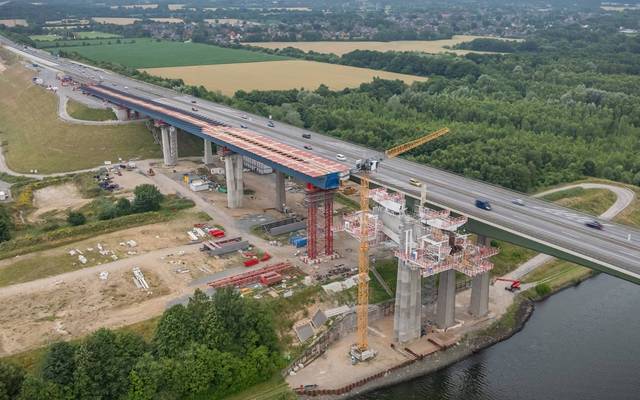
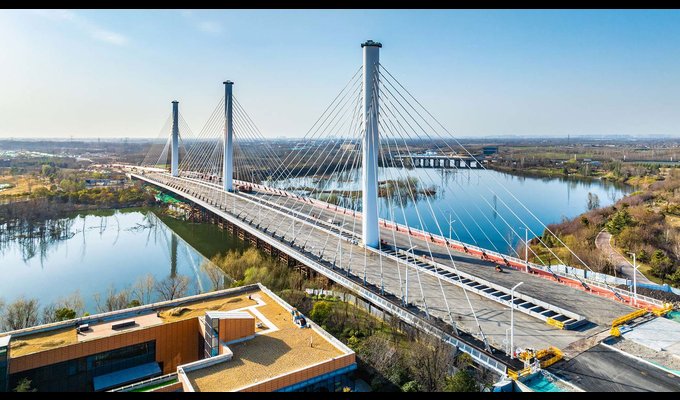
3D printing of concrete structures is progressing fast. There are already pedestrian bridges that were 3D printed. Within a decade you'll likely see printed bridge components — abutments, retaining walls, maybe deck sections — fabricated on-site or nearby.
Drones will handle most surveying, inspection, and progress monitoring. That survey manager role? In 10 years it might be one person managing a fleet of drones instead of a crew with total stations.
Prefabrication with robotic welding and assembly in controlled factory settings, then crane-setting finished components on-site. This is already huge in Asia and Europe.
What AI Can't Do
Full autonomous bridge construction isn't happening in 10 years. There are too many variables — soil conditions, weather, traffic, utilities, design changes. Heavy civil is messy and unpredictable. You still need experienced superintendents, PEs, and field engineers making judgment calls every single day.
AI makes good PMs and supers more valuable. Not less. The contractors who win in the next decade will be the ones with the best people who know how to use the new tools.
Reading a job site when the drawings don't match reality. Managing a $200M highway project when the owner changes scope mid-pour. Keeping 300 workers safe when weather rolls in and the schedule's already behind. Building relationships with subs who've been burned before. That takes experience and judgment — the kind of thing you only get from decades in the field.
The Real Talent Shortage
The talent shortage isn't going away. It's getting worse. And the people who can run a project AND understand the new tools? That's a very short list. The contractors staffing up with those people now are the ones who'll be winning projects in 2035.
Technology is changing construction. But it's making experienced leaders more valuable, not less. That's good news for every PM, super, and PE in the industry — and for the firms smart enough to invest in them now.
Building for the Future?
The best talent understands both the craft and the technology. We find those people.
The 3 Offer Killers Costing You Construction Talent in 2026
March 2026 · Hiring Strategy · 5 min read
Every week I talk to heavy civil and data center candidates who say yes to the role and then back away at the offer stage. In almost every case, the problem isn't the work — it's how the offer is structured and delivered.
After 22 years of placing superintendents, project managers, and engineers on $100M+ projects, I keep seeing the same three mistakes kill otherwise great hires. Here's what they are — and how to fix them before your next offer goes out.
Offer Killer #1: Slow, Fuzzy Timelines
On tight projects, candidates notice when your hiring process moves slower than your schedule. When they wait two to three weeks between interviews with no update, they assume you're not serious — or that decision-making will be just as slow on the job.
The best people are often juggling two or three other conversations, so silence usually equals a quiet "no." They're not going to chase you. They'll take the call from the contractor who moved faster.
If your hiring process takes longer than your concrete pour schedule, you've got a problem.
Offer Killer #2: "Take It or Leave It" Comp
Most hiring managers I speak with are willing to adjust for the right person, but the way the offer is presented doesn't show that. A flat number with no explanation feels like a ceiling, not a conversation.
Candidates walk when they don't see how salary, bonus, per diem, and travel balance out against the work and time away from home. They're not being greedy — they're trying to figure out if the math works for their family. Show them you've thought about that.
Offer Killer #3: Ignoring What Actually Matters
In 2026, the top supers and PMs I'm speaking with still care about pay, but they're just as focused on where they'll be living, what projects they'll touch, and who they'll report to day-to-day.
When an offer ignores those details — or treats every role like "just another job" — they assume they'll be a number, not part of a team. The contractors who win talent in this market are the ones who make candidates feel like they've been listened to, not processed.
Offer Killer #4: Counteroffers and the "Safe" Choice
In this market, a lot of great supers and PMs walk away at the last minute because their current employer suddenly "finds" more money once they resign. On paper it looks like a win, but most people who accept counteroffers do it for comfort — familiar projects, known team, less risk — not because it's truly the best long-term move.
If you never talk about counteroffers during the process, your offer ends up competing with a story in their head you've never heard and can't address. The clients who win more often are the ones who ask early, "If your current company tries to keep you, what will you do?" and then build an offer that clearly beats staying put on more than just salary.
80% of candidates who accept a counteroffer leave within six months anyway. The trust is broken, the raise wasn't merit-based, and the reasons they wanted to leave haven't changed.
A Quick "Offer Check" You Can Use This Week
Before you send your next offer, ask yourself these questions:
1. Have we kept the candidate warm with clear next steps in the last 7 days? If not, assume they're talking to someone who has.
2. Does the offer explain how we got to this number? Range context, internal equity, bonus structure, per diem — lay it out so they can see the full picture.
3. Did we address the one or two things they told us matter most? Location, travel expectations, title, project type, reporting structure — whatever came up in interviews, it better show up in the offer.
If you can't check at least two of those boxes, there's a good chance a competitor will.
The talent market in heavy civil, data centers, and renewables isn't getting easier. The contractors who tighten up their offer process now are the ones who'll stop losing candidates at the finish line.
Losing Candidates at the Offer Stage?
Reply to this article or reach out directly — I'll send you a one-page offer checklist I use with clients before they go to market.